What is Claustrophobia?
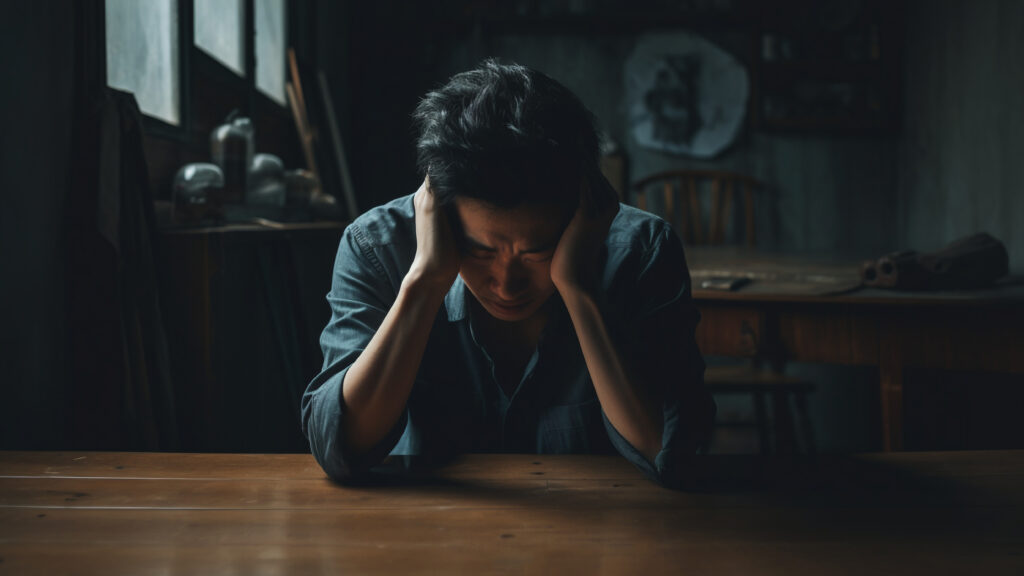
Claustrophobia is a type of anxiety disorder. It causes intense fear of enclosed or small spaces. Many people feel uneasy in tight places, but claustrophobia is more severe. For example, someone with this condition may panic in elevators, crowded rooms, or even while wearing tight clothing. This fear can affect daily life. According to the World Health Organization, anxiety disorders like claustrophobia are common worldwide. Early understanding helps in overcoming claustrophobia.
Common Symptoms of Claustrophobia
People with claustrophobia may notice both physical and emotional symptoms. These signs often appear quickly when facing a feared situation. However, symptoms can also show up just by thinking about enclosed spaces.
Sometimes, these symptoms can lead to a panic attack. But with the right help, they can be managed.
Causes and Risk Factors
Claustrophobia can develop for many reasons. Often, it starts after a stressful or scary event in a small space. For instance, getting stuck in an elevator as a child may trigger this fear later in life. But genetics and family history also play a role. If a close family member has an anxiety disorder, your risk may be higher.
Other risk factors include:
Still, not everyone with these risks will develop claustrophobia. Each person’s experience is unique.
How Claustrophobia is Diagnosed
Doctors and mental health specialists diagnose claustrophobia through careful interviews. First, they ask about your symptoms and how often they occur. Next, they may use special questionnaires to measure your anxiety. Sometimes, they rule out other medical problems that could cause similar symptoms.
To be diagnosed, your fear must:
Early diagnosis helps you find the right claustrophobia treatment.
Treatment Options for Claustrophobia
There are several effective ways to treat claustrophobia. Most people benefit from a mix of therapies. However, treatment depends on how severe your symptoms are.
For those seeking claustrophobia treatment in their area, many clinics offer both in-person and online options.
Lifestyle Tips and Coping Strategies
Along with professional help, daily habits can make a big difference. For example, practicing relaxation every day can lower stress. But there are other helpful tips too:
Remember, small steps can lead to big changes over time.
Prevention and When to Seek Help
While it is not always possible to prevent claustrophobia, early action can help. For instance, teaching children to talk about their fears may lower their risk. But if you notice symptoms, do not wait. Early support can stop the fear from growing.
Seek help if:
Professional help can guide you toward recovery. Many people overcome claustrophobia with the right support.
For personalized advice on managing claustrophobia, consult a mental health specialist. Early help can make a big difference in your quality of life.