Introduction
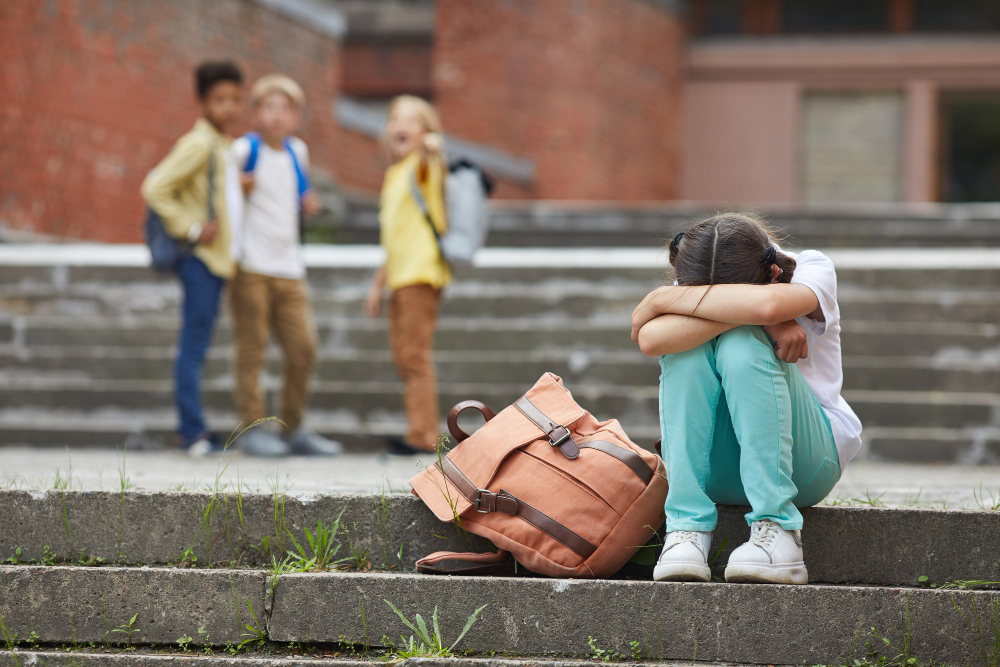
Bullying in children is a serious issue that affects many families today. It can happen at school, online, or even in the neighborhood. Early signs of childhood bullying often go unnoticed. However, knowing how to prevent bullying in schools and at home is important. In this blog, we will explore what bullying in children means, its causes, common signs, and how parents can help. We will also discuss the effects of bullying and offer practical prevention tips. Understanding these facts can help protect children and support their well-being.
What is Bullying in Children?
Bullying in children means repeated, unwanted aggressive behavior by one child toward another. Usually, it involves a power imbalance. For example, a stronger or older child may target someone younger or smaller. Bullying can be physical, like hitting or pushing. It can also be verbal, such as teasing or name-calling. Sometimes, it happens online, which is called cyberbullying. According to the CDC, bullying can harm a child’s mental and physical health.
Common Signs and Symptoms
It is not always easy to spot bullying. Still, some signs may suggest a child is being bullied. Watch for these symptoms:
Sometimes, children may not talk about bullying. Therefore, it is important to notice changes in their behavior.
Causes and Risk Factors
Many factors can lead to bullying in children. For instance, children who feel insecure may bully others to gain control. Some risk factors include:
Additionally, children who have been bullied before may become bullies themselves. Understanding these causes helps in creating better prevention plans.
Short-term and Long-term Effects
Bullying can have serious effects on children. In the short term, children may feel scared, anxious, or lonely. They might avoid school or activities they once enjoyed. Over time, the effects can become worse. For example, children may develop depression, low self-esteem, or even post-traumatic stress. According to the CDC, bullying can increase the risk of mental health problems and poor school performance. In some cases, the effects may last into adulthood. Therefore, early action is key.
Diagnosis and When to Seek Help
There is no medical test for bullying. Instead, doctors and counselors look for signs and talk with the child. If you notice changes in your child’s mood, behavior, or health, talk to a teacher or healthcare provider. Seek help right away if your child:
Early support can prevent long-term harm. In US schools, many counselors are trained to help with bullying cases.
Effective Prevention Strategies
Preventing bullying in children takes teamwork. Schools, parents, and communities all play a role. Here are some proven strategies:
Moreover, regular talks about bullying help children feel safe to share their concerns.
Support and Recovery Tips for Parents and Children
After bullying, children need support to heal. Parents can help by:
Children recover best when they feel loved and supported. Therefore, staying involved in your child’s life is important.
Conclusion
In summary, bullying in children can have lasting effects. Recognizing the signs and taking action early can make a big difference. If you suspect your child is being bullied, consult a mental health professional for personalized guidance.
Sources: Centers for Disease Control and Prevention (CDC), World Health Organization (WHO)