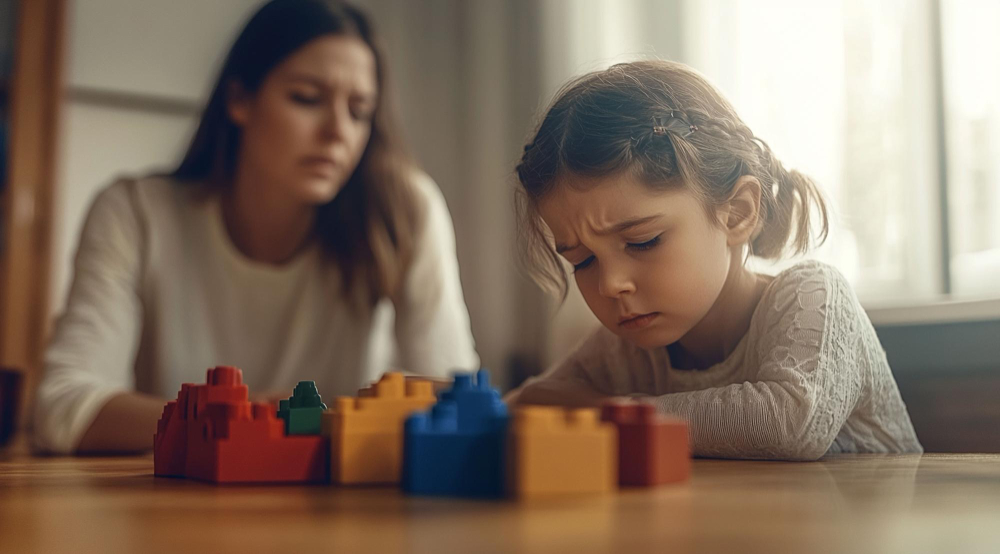
What is Psychological Trauma in Children?
Psychological trauma in children happens when a child faces a scary or upsetting event. This can deeply affect their emotions and behavior. For example, trauma may come from accidents, abuse, or loss. While some children recover quickly, others may struggle for a long time. Early support can help children heal and grow stronger.
Common Symptoms and Warning Signs
Children show trauma in many ways. Sometimes, the signs are easy to miss. However, knowing what to look for can help you act early. Common childhood trauma symptoms include:
Sometimes, children may not talk about their feelings. Therefore, watch for changes in behavior or habits. If you notice several of these signs, consider seeking help.
Major Causes and Risk Factors
Many things can cause psychological trauma in children. Some common causes include:
In addition, some children are more at risk. For instance, children with little support or those living in unsafe areas may be more likely to experience trauma. Early help can lower these risks.
How Psychological Trauma is Diagnosed in Children
Diagnosing psychological trauma in children takes care and skill. Usually, a mental health specialist will talk with the child and family. They may use simple questions or games to help the child share their feelings. Sometimes, teachers or doctors may notice problems first. Because trauma can look like other issues, a full checkup is important. The specialist may also ask about the child’s past and current life. This helps them understand what the child needs most.
Effective Treatment Options
Treatment for psychological trauma in children often includes therapy. For example, talking with a trained counselor can help children express their feelings. Some common treatments are:
In some cases, doctors may suggest medicine for anxiety or sleep problems. However, therapy is usually the first step. Early treatment can help children feel safe and hopeful again.
Tips for Parents and Caregivers
Parents and caregivers play a key role in healing. Here are some ways you can help a traumatized child:
Above all, let your child know they are safe and loved. This support can make a big difference.
Prevention Strategies
While not all trauma can be prevented, some steps can lower the risk. For example:
By taking these steps, you can help protect your child’s mental health.
Conclusion
In summary, psychological trauma in children can affect their feelings, behavior, and health. However, with early support and the right treatment, most children can recover and thrive. If you suspect your child is experiencing psychological trauma, consult a mental health specialist for personalized guidance.