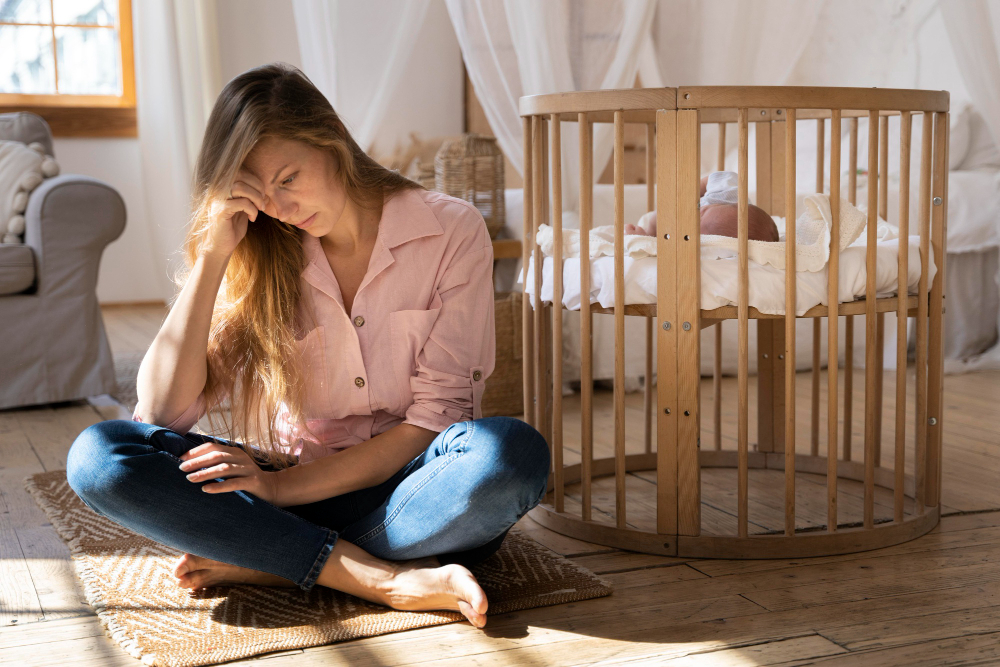
What is Postpartum Depression?
Postpartum depression is a type of mood disorder that affects some women after childbirth. It is more than just feeling sad or tired. In fact, postpartum depression can make it hard for new mothers to care for themselves or their babies. According to the Centers for Disease Control and Prevention (CDC), about 1 in 8 women experience postpartum depression in the United States. Because this condition can affect both mother and baby, understanding it is very important.
Common Symptoms
Many women feel emotional changes after giving birth. However, postpartum depression symptoms are stronger and last longer than the “baby blues.” Some common signs include:
Sometimes, symptoms may appear weeks or even months after childbirth. Therefore, it is important to watch for these signs and talk to a doctor if they last more than two weeks.
Causes and Risk Factors
While the exact cause of postpartum depression is not fully known, several factors can increase the risk. For example, hormone changes after childbirth can affect mood. In addition, lack of sleep and stress can make things worse. Other risk factors include:
Because every woman is different, not everyone with these risk factors will develop postpartum depression. Yet, knowing them can help with early support and care.
Diagnosis and When to Seek Help
Doctors diagnose postpartum depression by asking about symptoms, feelings, and daily life. Sometimes, they may use a simple questionnaire. If you notice signs of postpartum depression, it is important to seek help. Early treatment can make recovery easier. You should contact a healthcare provider if:
Remember, asking for help is a sign of strength, not weakness.
Treatment Options
There are several ways to treat postpartum depression. The right plan depends on each person’s needs. Common treatment options include:
Often, a mix of these treatments works best. Because everyone is different, it is important to work with a doctor to find the right plan.
Lifestyle Tips and Support
Along with medical care, some lifestyle changes can help manage postpartum depression. For example, you can:
Although these steps may seem small, they can make a big difference over time.
Prevention Strategies
While it may not be possible to prevent postpartum depression in every case, some steps can lower the risk. For instance, you can:
Because early action matters, discussing your feelings and concerns with your doctor can help prevent problems later.
If you or someone you know is struggling with postpartum depression, consult a mental health specialist for personalized support and guidance.