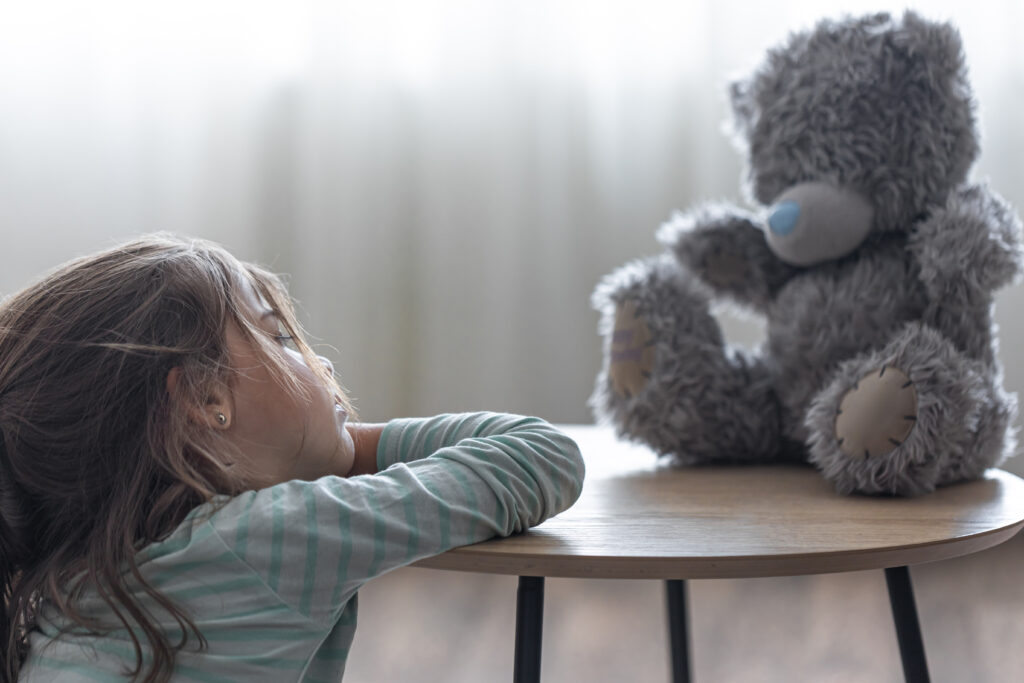
What Is Childhood Depression?
Depression in children is more than just feeling sad. It is a real mental health condition that affects how a child thinks, feels, and acts. While everyone feels down sometimes, childhood depression lasts longer and can change daily life. For example, a child may stop enjoying things they once loved. Because children may not always say how they feel, parents need to watch for early signs of depression in children.
Why Early Detection Matters
Early detection of depression in children is very important. When parents spot the signs early, children can get help sooner. As a result, treatment can work better and faster. Without help, depression can affect school, friendships, and family life. In some cases, it may even lead to serious problems like self-harm. Therefore, knowing how to spot depression in kids can make a big difference.
Early Signs and Symptoms Parents Should Watch For
Children may show depression in different ways than adults. Sometimes, the signs are easy to miss. However, there are common early signs of depression in children that parents should notice:
Sometimes, these signs may seem like normal mood swings. Yet, if they last for more than two weeks, it is time to seek help. For more information, the CDC and WHO offer helpful guides on childhood mental health.
Common Causes and Risk Factors
Many things can lead to depression in children. Some children may be more at risk than others. For instance, family history of depression can increase risk. Other causes and risk factors include:
Although these factors can raise the risk, not every child with them will become depressed. Still, knowing these risks helps parents stay alert.
How Depression Is Diagnosed in Children
Diagnosing depression in children takes care and skill. Usually, a doctor or mental health expert will talk with the child and family. They may use special questions or checklists to learn about the child’s mood and behavior. Sometimes, teachers or caregivers also share what they notice. Because other health problems can look like depression, the doctor may check for those too. Early and correct diagnosis is key for getting the right support for depressed children.
Treatment Options and Support Strategies
There are many ways to help children with depression. Treatment often depends on how severe the depression is. Common options include:
In addition, support for depressed children at home and school is important. Working with teachers and counselors can help children feel safe and understood. According to the CDC, a mix of therapy and support works best for most children.
Tips for Parents: Supporting Your Child at Home
Parents play a big role in helping their child recover. Here are some tips for supporting your child at home:
Above all, let your child know you are there for them. If you feel unsure, reach out to a mental health professional for advice.
Prevention and Promoting Mental Wellness
While not all cases can be prevented, parents can help lower the risk of depression in children. For example, building strong family bonds can protect mental health. Here are some ways to promote wellness:
Even small steps can make a big difference over time. If you notice changes in your child’s mood, do not wait to seek help.
Remember: If you see early signs of depression in your child, consult a mental health professional for personalized guidance and support. Early help can lead to a brighter future.